Bring the Roar, Leave the Script: Cardiff's Touchline Code for 2026
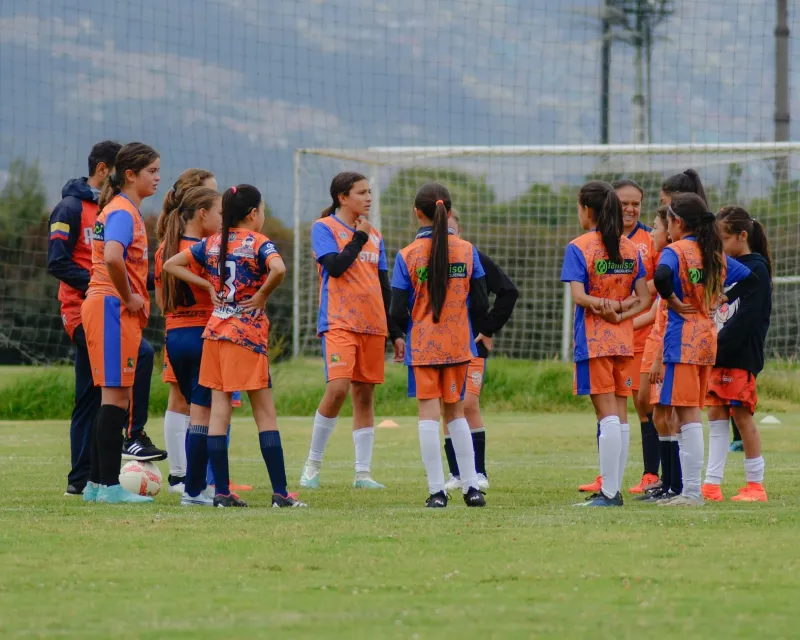
Cardiff Draconians are asking for a different kind of roar in 2026. Not a quieter one — a cleaner one. The club's new touchline code is less a list of bans and more a deal between everyone who turns up on a weekend: players play, coaches coach, referees referee, and supporters do what supporters do best. Back the team. Don't rewrite the script from the rail.
The Roar We Want (and the Noise We Don't)
There is a sound at grassroots sport that every club knows. It's the sharp 'pass it!' from a parent who has never met the player on the ball. The 'get rid of it!' from behind the goal. The sigh that travels further than any cheer. Cardiff Draconians aren't trying to sanitise Saturday mornings. The dragon should roar. But there's a difference between noise that lifts a player and noise that shrinks them. The 2026 code asks supporters to aim for the first and catch themselves on the second.
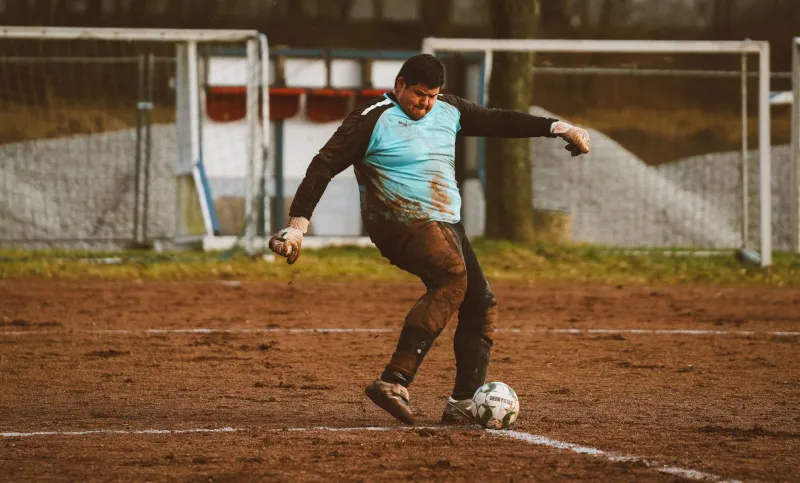
It's not about being polite to the point of silence. It's about being useful. A player who hears their name and a bit of belief can run through a muddy January afternoon. A player who hears a step-by-step instruction from three different adults — two on the bench, one behind the fence — usually just hears confusion.
What the Code Actually Asks
The code is deliberately practical. It fits on a phone screen and, more importantly, in a head. The headline points are:
- Let the coaching team be the only voice giving technical instruction during play.
- Praise effort, decision-making and bravery — not just goals, tries or wins.
- Respect the referee's whistle, including when you disagree. Especially when you disagree.
- Give players a moment to solve problems before shouting the answer.
- Keep comments positive, specific and short. 'Well done, keep going' beats a ten-second tactical lecture.
- Remember that the person in the middle may be a teenager, a parent or a volunteer who gave up their Sunday.
That's the code in a sentence: cheer loud, coach soft, and leave the playbook in the bag.
A Cardiff Weekend Test
You can measure a touchline code in fixtures, not phrases. At a recent junior game in Canton, the loudest voice for the first ten minutes wasn't a coach. It was a grandparent offering a running review of every pass. The player glanced across after each one — not for encouragement, but for the verdict. Once the comments stopped, the player started looking forward again. That small shift is exactly what the Draconians are chasing in 2026.
A few miles away, near Pontcanna, a referee barely out of school kept a scrappy game moving with clear signals and a calm voice. The touchline backed her. Both coaches shook hands at the end. It wasn't headline stuff. It was the whole point: a game that finished, players who learned something, and a volunteer who might come back next week.
The Whistle Is Not a Group Project
Referee numbers are tight across Cardiff and beyond. Every club knows the struggle. The Draconians' code doesn't pretend that every decision will be right. It does ask supporters to remember that a referee is not a punchbag with a whistle. The best touchlines in the city are the ones that recognise a difficult job and give it room.
That means no chorus of advice from the rail, no chasing the referee at half-time, and no 'helpful' explanations delivered at volume. If there's a concern, it goes through the coach or the club's designated contact after the game. The players are watching how adults handle disagreement. That lesson lasts longer than any result.
Let Coaches Coach — They're Volunteers Too
Most grassroots coaches in Cardiff are giving up evenings, weekends and a good chunk of their peace of mind. They plan sessions, wash kit, chase lifts and learn names. The touchline code gives them something valuable: a clear line of communication. One voice from the bench. One message. Not five.
It also protects players from contradictory instructions. A young athlete trying to remember three different pieces of advice is not being coached; they're being managed by committee. The Draconians want the bench to sound like one club, not a phone-in.
The Quiet Bit Is Part of the Roar
There's a moment in every match when the best thing a supporter can do is nothing. Let the player take the kick. Let the captain make the call. Let the referee explain. Let the coach watch. That silence isn't indifference. It's trust. And when the roar comes a second later — after a brave tackle, a good decision, a shot that nearly sneaks in — it lands properly.
The 2026 touchline code isn't asking Cardiff to fall silent. It's asking for a smarter kind of noise. One club, one city, one roar — but a roar that sounds like belief, not a running commentary.
How to Join In
If you're new to the Draconians, start with three things: learn a few names, cheer the effort, and leave the tactics to the bench. If you're a regular, help set the tone. A quiet word with a loud neighbour is worth more than a club statement. If you're a player, tell us what helps. The code belongs to the whole touchline.
The dragon roars loudest when everyone knows their part. In 2026, that means backing the players, respecting the whistle and letting the coaches coach. Bring the noise. Leave the script.