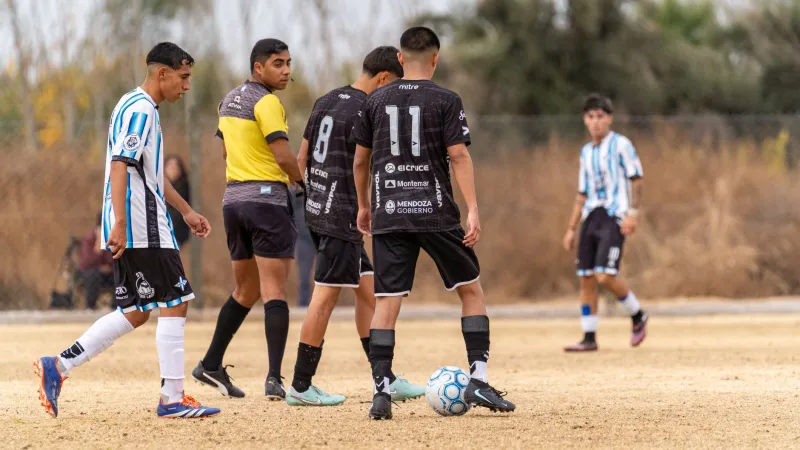
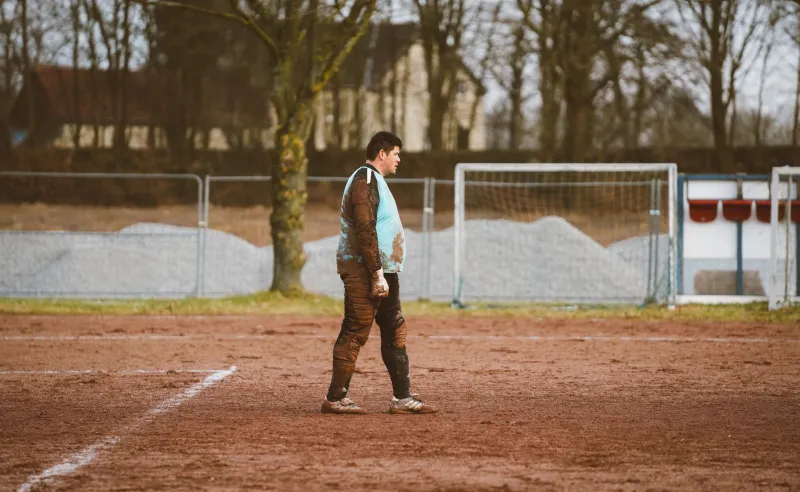
Floodlights, Flasks and the Friday Faithful: Inside a Cardiff Draconians Winter Session
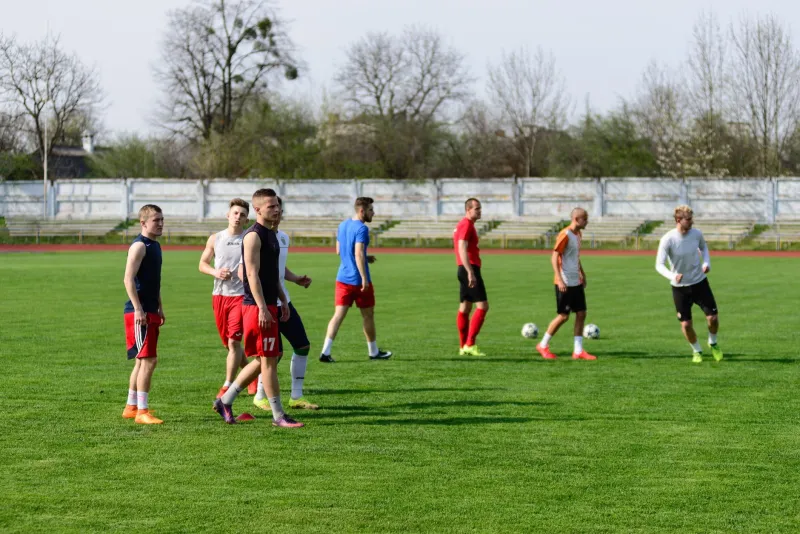
By the time most of Cardiff has decided the evening is over, the car park at the Draconians' training ground is filling up. It is a Friday in November. The floodlights are on, the grass is heavy, and the air smells of wet mud, diesel and the faint promise of tea. Nobody is here because they have to be. That is the whole point.
The Walk From the Car Is the First Drill
You can learn a lot about a winter session before the first whistle. The walk from the car is a small obstacle course of puddles, kit bags and someone reversing into a space that is definitely not a space. A player arrives with boots in one hand and a flask in the other. Another is carrying a fold-up chair for a touchline regular who insists she is fine standing, thank you. The coach is already on the pitch, moving cones two metres to the left and then two metres back. It is not glamorous. It is not meant to be.
Friday night training exists because the darker months do not pause the season. The league carries on, the pitches get heavier, and the temptation to hibernate gets stronger. The Draconians answer that with a simple routine: same time, same place, same hum of floodlights. For newcomers, it is a low-stakes way into the club. For the regulars, it is the hour that keeps the week honest.
What Actually Happens Between the Whistle and the Tea
The session is planned, but not over-planned. A typical Friday starts with a jog and a mobility circle, then a rondo that gets louder as the cold bites. The coach has a main drill in mind, but also a plan B and a plan C tucked in a pocket. If the ground is slick, the session stays shorter and sharper. If numbers are odd, someone goes in goal and someone else plays as a floating defender. Nobody stands around for long.
There is finishing under pressure, a small-sided game, and a cool-down that is really just a chance to talk. The drills are not radical. They are the sort of things you would recognise from any grassroots pitch in Cardiff. What makes them work on a Friday is the mood. Players are tired from work, but they are here. The session is competitive without being precious. A misplaced pass gets a groan and a laugh in equal measure. A good touch gets a shout. The floodlights make the pitch feel like a stage, even when the audience is one dog and a parent with a coffee.
The Flask Economy
The tea flask deserves its own paragraph. It sits on the bench like a small, silver trophy. There is usually more than one. The unwritten rule is that if you bring a flask, you share it. If you forget a mug, someone will find you one. If you bring biscuits, you will be remembered. This is not a gimmick. It is practical warmth. In November, a hot drink at half nine at night is a small act of kindness that makes the cold feel less personal.
The flask economy extends to the car park. Lift-sharing is arranged in a WhatsApp group that reads like a rota written by a very polite traffic controller. Someone from Llanishen has two seats. Someone from Canton can do a detour via Grangetown. A player without a car gets a lift home and returns the favour in spring with a bag of oranges. These small logistics are the difference between a session that happens and a session that does not.
Newcomers, No Auditions
The club is proud of the fact that Friday night is not a trial. There is no audition, no secret standard you have to meet before you are allowed to enjoy it. A first-timer is greeted, given a bib, and told to warm up at the back if they want. The coach will ask what position they play, but will not make a thing of it. The session is mixed-ability by design. The best player and the newest player are in the same rondo. That is how it should be.
For a newcomer, the first Friday can feel like walking into a room where everyone already knows the joke. The remedy is simple: the warm-up is the icebreaker. By the time the small-sided game starts, you have passed to most people and been called by your first name at least twice. The tea flask does the rest. Nobody expects you to be brilliant. They expect you to turn up, try, and maybe bring a biscuit next time.
The Touchline Regulars
Not everyone who comes on a Friday plays. There are parents, partners, a neighbour, a dog walker who has adopted the club, and the occasional former player who claims they are only watching. They stand under the floodlights with hoods up and hands in pockets. They are part of the ritual. A good tackle gets a quiet nod. A missed chance gets a sympathetic sigh. They are the reason the session feels like a club and not just a kickabout.
The touchline regulars also keep the club honest. They notice who is missing. They ask after a knee injury. They remind the coach that the tea flask is empty. Their presence is a reminder that a sports club is not only the people on the pitch. It is the people who make the pitch feel worth standing beside.
Why Friday, Why Winter
Friday works because it closes the working week and opens the weekend. It is not a school night in the same way Monday is. It is not a match day, so the pressure is lower. It is the one evening when the city goes a bit quiet and the club can make a bit of noise. Winter works because it is when the club needs the ritual most. The dark months are not a gap in the season. They are the season's spine.
The Draconians are a Cardiff club, and Cardiff in November is a city of floodlights, wet pavements and buses that are always either early or late. Friday night training fits that city. It is practical, social, and quietly stubborn. It says that the week does not end when the sun goes down. It ends when the last player has had a mug of tea and the last car has pulled out of the car park.
The Quiet Commitment
The headline version of sport is the match. The real version is the Friday in November when it would be easier to stay in. The players who turn up are not doing anything extraordinary. They are putting on boots, sharing lifts, and standing in the cold for an hour. But that is the commitment that keeps a club alive. It is the reason a newcomer feels welcome, the reason a coach keeps planning, and the reason the touchline regulars keep coming back.
So if you are in Cardiff this winter and you have been meaning to see what the Draconians are about, start with a Friday. Bring boots, a sense of humour and, if you can, a flask. The floodlights will be on. The tea will be shared. The city will be quiet. The Dragons will not.