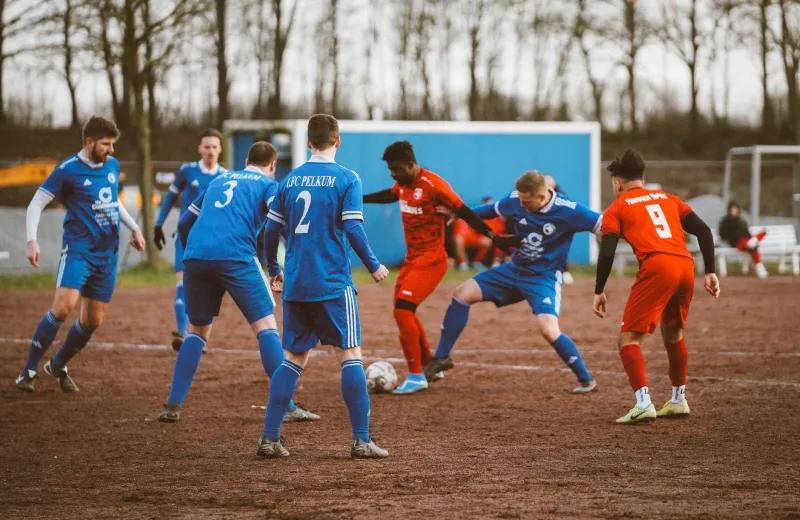
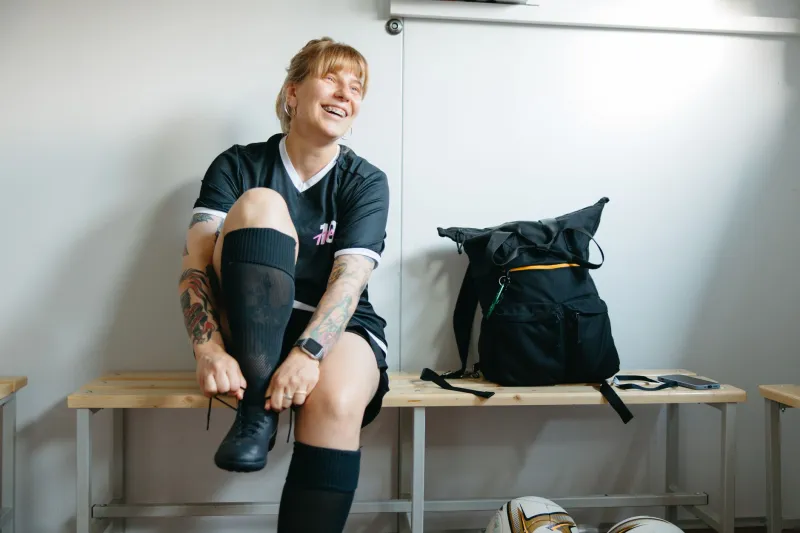
The Captain Is a Rota: Five Small Jobs That Lead a Cardiff Draconians Saturday
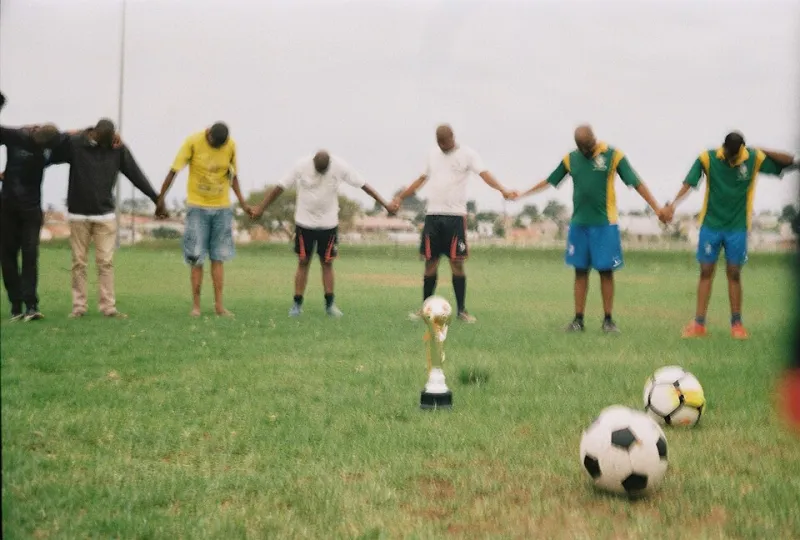
Photo: LondekaT, CC BY-SA 4.0, via Wikimedia Commons
At 8.42 on a damp November Saturday, the car park behind a Cardiff rec is already half full. Nobody has given a team talk. Nobody has tossed a coin. The first act of leadership is someone unlocking the container and checking the nets are where they should be. The armband is still in a kit bag. The Draconians' Saturday has started without it.
The First Job Is Usually a Set of Keys
At Cardiff Draconians, captaincy is less a throne than a rota. The armband still exists, and it still means something on matchday: the person wearing it speaks to the referee, leads the huddle, makes the call at the toss. But the work that gets a Saturday from car park to final whistle is spread across half a dozen people, most of whom will never be photographed doing it.
Some weeks the armband goes to the obvious organiser. Other weeks it goes to a player who has been quiet for a month and fancies a different view of the game. The title is real. The load is shared. That distinction matters more than any pre-match speech.
Warm-Ups, Names and the Nervous Newcomer
The player calling the warm-up might not be the captain. Often it is the person who knows the drill, can count heads without making it obvious, and can make the first activity low-stakes enough that nobody feels tested before they have warmed up. That is leadership with a stopwatch and a whistle, and it sets the tone for everything after.
Then there is the check-in. A new face by the bench, boots too clean, hood up against the drizzle. One player spots them, introduces them to two others, pairs them with someone in the first drill and makes sure they know where the water is. No announcement. No ceremony. Just a small job done well. At grassroots level, that is captaincy in all but name.
The Unglamorous Ledger
Leadership at this level is often admin with mud on it. Someone remembers the bottles. Someone checks the first aid kit. Someone has the pump, the spare laces and a roll of tape that has done three winters. Someone knows which player needs a lift home and which one is coming straight from work. Someone keeps an eye on the weather and decides whether the warm-up needs an extra lap.
None of this makes a highlight reel. All of it makes a Saturday possible. The 2026 Draconians model is not a secret playbook; it is a recognition that the person who remembers the water bottles is leading just as surely as the person who calls the coin toss.
A Saturday in Five Handovers
- 8.40: unlock, pitch check, nets, corner flags. The key-holder is in charge for ten minutes.
- 9.05: warm-up. The drill caller sets the pace and watches who is moving stiffly.
- 9.25: huddle. The armband leads the final words, but the messages have been gathered from the whole group.
- Half-time: the quiet organiser checks on the newcomer, the captain talks to the referee, someone else sorts the water.
- Full-time: kit count, lost property, lifts, and a check that nobody is leaving alone if they came alone.
By the time the final whistle goes, the armband has done its job. So have five other people who never wore it.
Why a Shared Armband Holds Better
Grassroots clubs run on people who already have jobs, families, commutes and a dozen other claims on their time. If the captain is the only person holding the day together, the day is fragile. Rotate the jobs and the club becomes resilient. A player who has called the warm-up once is more likely to volunteer for the next thing. A newcomer who has been welcomed properly is more likely to stay.
There is also a quieter benefit. Shared leadership gives people a route in that is not a speech. Not everyone wants to stand in the middle of a huddle and raise their voice. Plenty of people will happily check the bottles, text the group about the pitch, or walk a nervous debutant through the first drill. A job is easier to say yes to than a title.
What Other Cardiff Clubs Can Borrow
None of this needs a committee or a laminated handbook. If your club is in Canton, Cathays, Llanishen or down by the Bay, the principle travels.
Name the jobs, not just the title. Put the rota somewhere visible. Rotate the captaincy, or at least rotate the tasks that sit around it. Thank people for the unglamorous stuff in the same breath as the tries, goals or big tackles. Ask newcomers what they need rather than assuming they will ask. And make it normal for the person with the armband to say, plainly, that someone else is running the warm-up today.
That is the Dragon model in practice: visible leadership, shared work, no single point of failure. It is not a leadership seminar in boots. It is a set of small, repeated yeses.
The Armband Still Has a Job
The armband is not obsolete. It still signals who speaks to the referee, who leads the huddle, who makes the final call. But it does not need to carry every job. On a cold Cardiff Saturday, the roar is not one voice. It is the key-holder, the drill caller, the bottle checker, the newcomer greeter and the person who remembers the lift home. The captain is a rota. The club is the roar.